Smart Video Phones in 2026: The New Face of Business Communication
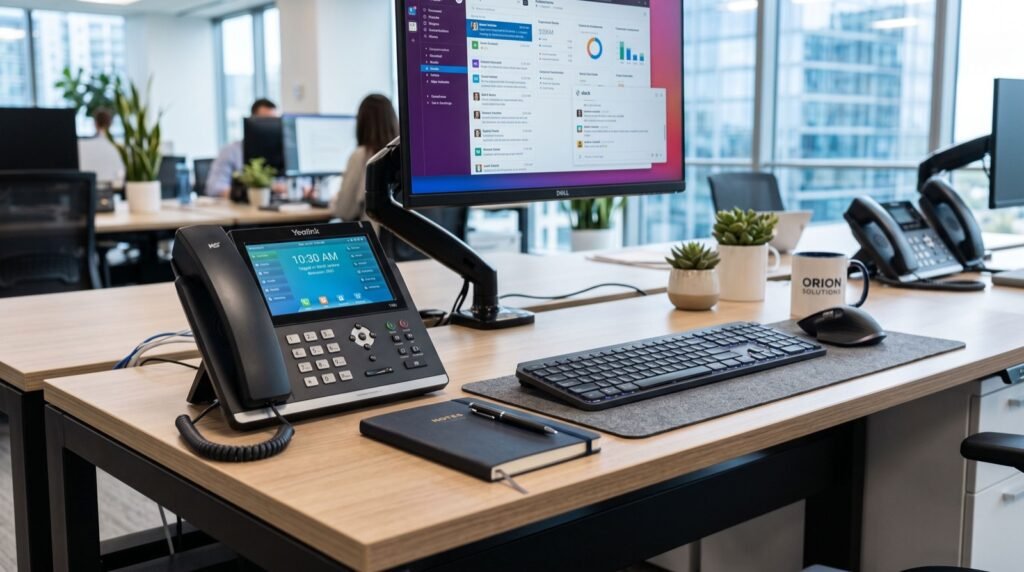
The desk phone has grown up. In 2026, a smart video phone sits where a plain handset used to live, blending crisp voice, face-to-face meetings, and app-driven productivity into one device. For businesses that value real human connection, this shift changes how teams and customers interact every day.
Video calling moved from the boardroom to the individual desk. A quick face-to-face check-in now takes one tap, no laptop, no meeting link, no fumbling with cameras. This guide unpacks why smart video phones matter, who benefits most, and what to weigh before buying.
Why Video at the Desk Beats the Old Way
Text and audio strip away tone and expression. A visible smile, a nod, or a shared screen removes ambiguity and speeds decisions. That human layer builds trust faster than any email thread ever could.
Placing video on a dedicated device also frees the computer. Staff keep working on their screens while the phone handles the call, camera, and controls independently. The result is fewer distractions and cleaner meetings.
The National Institute of Standards and Technology has long documented how richer communication channels reduce errors in collaborative work. Video at the desk brings that clarity to routine calls, not just scheduled meetings.
Who Gains the Most From Smart Video Phones
Video phones shine wherever presence and clarity carry weight. Some roles feel the benefit immediately.
- Executives who hold frequent partner and client calls.
- Sales teams closing deals where rapport drives revenue.
- Support leads guiding customers through visual steps.
- Reception areas welcoming visitors with a personal touch.
For a demanding executive desk, the Fanvil V67 Flagship Smart Video Phone pairs a large touchscreen with a built-in camera, turning any workstation into a ready meeting station without extra gear.
Key Features to Weigh Before Buying
Smart video phones vary widely. Focus on the specifications that shape daily comfort and long-term usefulness.
Display and camera quality
A large, responsive touchscreen and a sharp camera define the experience. Poor optics undercut the whole point of moving to video.
App ecosystem and integration
Support for popular meeting and collaboration apps keeps the phone useful across platforms. Open standards prevent lock-in later.
Audio performance
Even a video phone must nail voice. Full-duplex speakerphone and noise handling keep audio-only calls clean.
Build and controls
Intuitive on-screen menus and physical keys let staff join, mute, and transfer without hunting through settings.
Smart Video Phone Versus Traditional Desk Phone
| Capability | Traditional desk phone | Smart video phone |
|---|---|---|
| Voice calls | Yes | Yes |
| Video meetings | No | Built in |
| Touchscreen | Rare | Standard |
| App support | Minimal | Extensive |
| Best fit | High-volume calling | Client-facing roles |
Not every seat needs video, though. Many offices mix flagship devices at key desks with dependable standard handsets elsewhere, and a supplier of Fanvil IP Phones in Rawalpindi can help balance that fleet cost-effectively across departments.
How Do Smart Video Phones Fit Into a Hybrid Workplace?
Hybrid work made presence a challenge. Half the team sits at home, half in the office, and connection suffers when tools feel clumsy. Smart video phones close that gap on the office side.
An in-office employee joins a video huddle with remote colleagues in one tap, no laptop juggling required. The device stays ready, the camera stays aimed, and the meeting starts on time. That reliability makes hybrid feel seamless rather than stitched together.
Rolling this out well takes planning. Partnering with dependable specialists ensures your network, lighting, and platform settings deliver the polished experience these devices promise from day one.
The Business Impact of Better Face Time
Numbers rarely capture the full value of seeing a face during a call, yet the effects show up across a business. Deals close faster when trust builds in seconds rather than over many emails.
Support teams resolve issues sooner when they can read a customer’s expression and share a screen. A confused frown prompts a clearer explanation before frustration sets in. That responsiveness turns a shaky interaction into a satisfied one.
Internally, video at the desk keeps distributed teams aligned. A two-minute face-to-face beats a long message thread when a decision needs nuance. People stay connected, and small misunderstandings never grow into big ones.
- Shorter sales cycles as rapport forms quickly on camera.
- Higher first-contact resolution in customer support.
- Stronger team cohesion across office and remote staff.
- A more professional impression on every client call.
These outcomes explain why forward-looking businesses treat video phones as revenue tools rather than mere upgrades. The device pays for itself in relationships strengthened and deals won.
Choosing the Right Placement in Your Office
A smart video phone performs best when the environment supports it. Placement decisions influence how professional every call looks and sounds.
- Position the desk so the camera captures an uncluttered background.
- Face the workstation toward a soft light source, not a bright window behind.
- Keep the device within easy reach for quick, one-tap joins.
- Route cabling cleanly so the setup looks tidy on camera.
Thoughtful placement costs nothing yet elevates the impression you make. A well-lit, tidy frame signals competence before a single word is spoken, which matters most on client-facing desks.
Deployment Tips for a Smooth Rollout
A smart video phone rollout succeeds when you prepare the environment, not just the hardware.
- Confirm bandwidth can handle simultaneous video streams.
- Check desk lighting so faces read clearly on camera.
- Standardise on one meeting platform for consistency.
- Train staff on join, mute, and screen-share basics.
- Gather feedback after a pilot week and adjust.
Small preparation steps prevent the awkward first-week glitches that make people distrust new tools. Get the basics right and adoption follows naturally.
Frequently Asked Questions
Do smart video phones replace conference room systems?
They complement rather than replace them. Desk video phones handle one-to-one and small group calls, while dedicated room systems still suit large meetings with many participants.
Can a smart video phone run popular meeting apps?
Many models support widely used collaboration and meeting applications. Confirm compatibility with your chosen platform before purchasing to guarantee a smooth fit.
Is extra bandwidth needed for video calls?
Video uses more data than voice, so ensure your connection has headroom. Enabling quality of service on the network keeps both audio and video steady during busy periods.
Are smart video phones hard for non-technical staff?
No. Touchscreen menus mirror the smartphones people already use daily. A brief walkthrough covers everything most employees need to start confidently.
Conclusion
In 2026, the smart video phone redefines business communication by putting face-to-face clarity right on the desk. Match these devices to client-facing roles, prepare your network and lighting, and lean on trusted specialists for a clean rollout. The payoff is stronger relationships and faster decisions on every call. Ready to bring video to your team’s desks? Explore flagship smart video phones today and give your business the human connection that closes deals.